Anbieter: Suwada
Damascus Layered Nail Nipper - SUWADA Masterpiece
Beschreibung
SUWADA Damascus Layered Nail Nipper
The summit of SUWADA's nail-nipper craft.
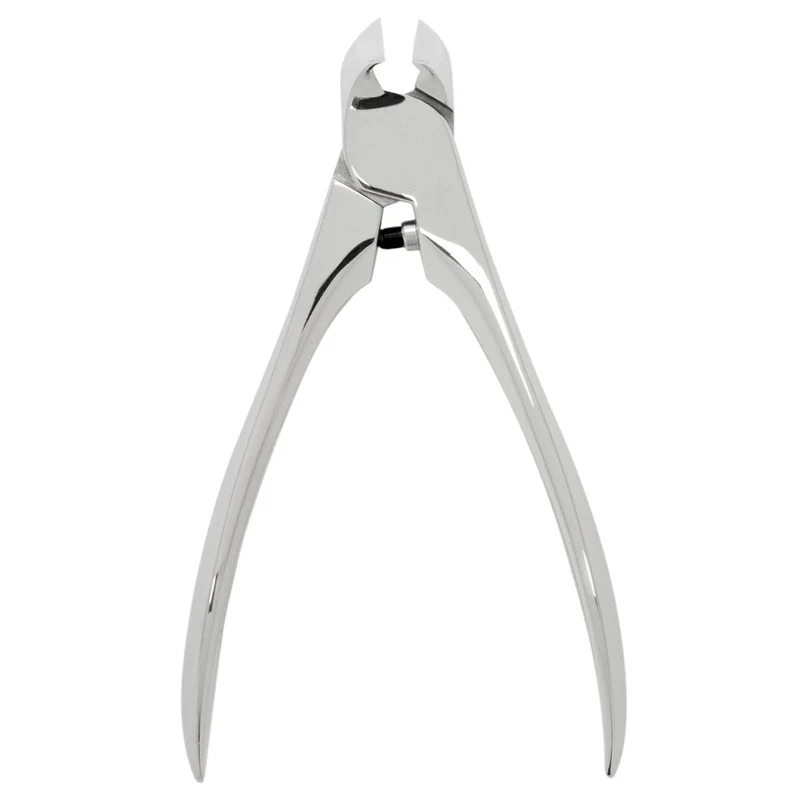
The Damascus Layered Nail Nipper is not a decorative version of an ordinary tool. It is a limited-production piece forged from layers of steels with different properties, compressed under high pressure until the material develops the flowing lines that make every nipper visibly unique.
SUWADA describes those lines as tanryusen — forging flow lines — and compares their appearance to the patterns seen on traditional Japanese sword blades. They are not printed, engraved or applied afterwards. They emerge from the forged material itself.
No two pieces can have the same pattern
The layered steel changes continuously through the body of the tool. As the nipper is forged, shaped, ground and polished, different strata are revealed at the surface. The result is an individual pattern of waves, lines and transitions that cannot be repeated exactly on another piece.
That makes each Damascus nipper genuinely singular. The four pieces currently held by SUWADA1926 are four different objects, even though they share the same form and function.
Why Damascus is difficult to make
Layering different steels creates the visual character of Damascus, but it also makes production considerably more demanding. The materials must be bonded and forged successfully without separating during the process, then brought through SUWADA's precision machining, polishing and blade-finishing stages.
Historical SUWADA material describes the challenge of forging Damascus into a substantial block rather than the comparatively thin forms in which layered steel is more commonly used. This is one reason Damascus Layered has remained a limited-production model rather than a normal catalogue item.
Functional beauty, not ornament for ornament's sake
SUWADA's own description of Damascus Layered centres on functional beauty. The company compares the concept with the Japanese sword tradition: different material characteristics are combined in pursuit of both cutting performance and resilience, while the structure of the forged steel becomes visible as part of the finished object.
The nipper remains a working precision tool. Its opposing curved blades are finished and aligned by hand so that the cutting edges meet cleanly. Like other SUWADA nippers, it can be professionally sharpened again rather than treated as a disposable object.
A tool made in Sanjo
SUWADA has made cutting tools in Sanjo, Niigata since 1926, a region with a long metalworking tradition. The Damascus Layered model places that manufacturing heritage on full display: forging, machining, polishing, blade fitting and final finishing all contribute visibly to the finished piece.
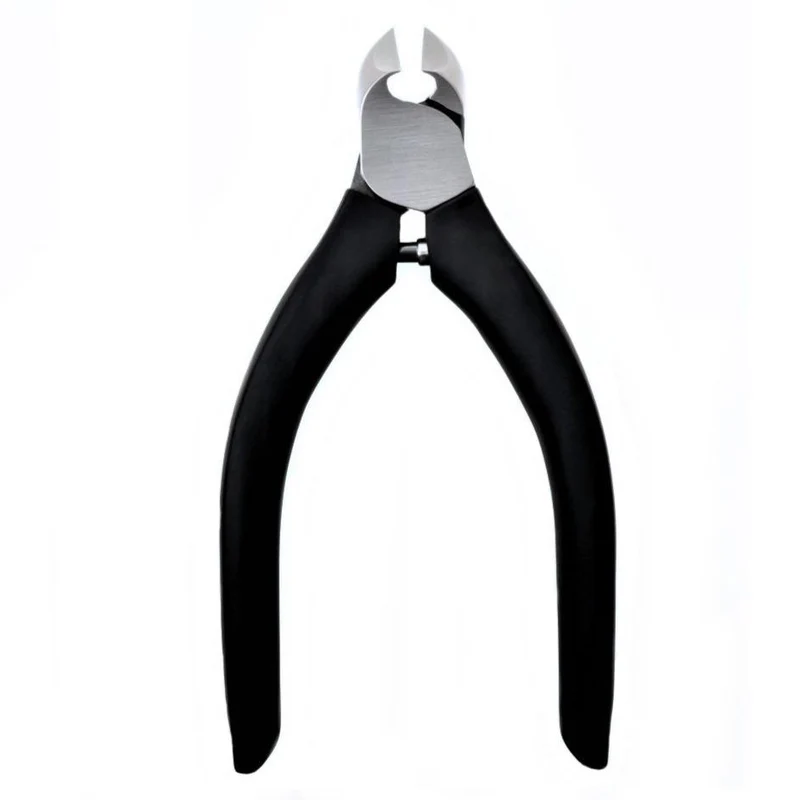
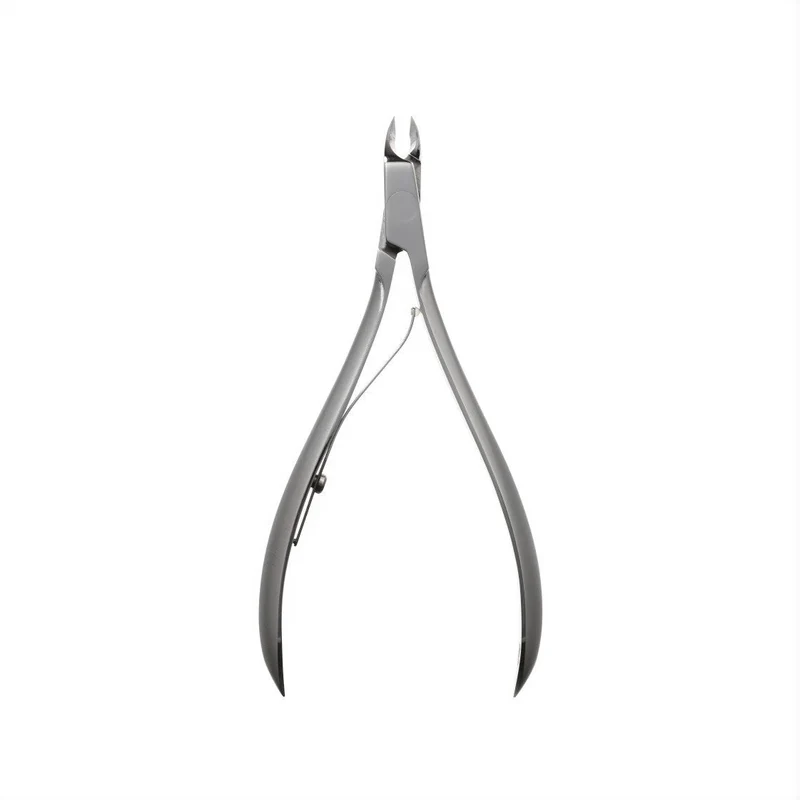
At approximately 12 cm long, it retains the familiar full-size SUWADA nail-nipper format while turning the entire steel body into the visual focus.
Only four pieces available
We currently hold four Damascus Layered Nail Nippers. SUWADA Japan lists the model as limited production and currently sold out in its own online shop.
At this level, choosing one is closer to choosing a small functional artwork than replacing a grooming tool. The pattern of the piece you receive will be its own.
Specifications
- Type: nipper-style nail cutter
- Overall length: approximately 120 mm
- Blade geometry: curved
- Material: forged Damascus layered steel / stainless blade steels
- Surface: visible forged flow pattern, individually hand finished
- Production: limited
- Made in Sanjo, Niigata, Japan
Each piece is handmade and individually finished, so dimensions and appearance can vary slightly.
In the presentation set
- SUWADA Damascus Layered Nail Nipper
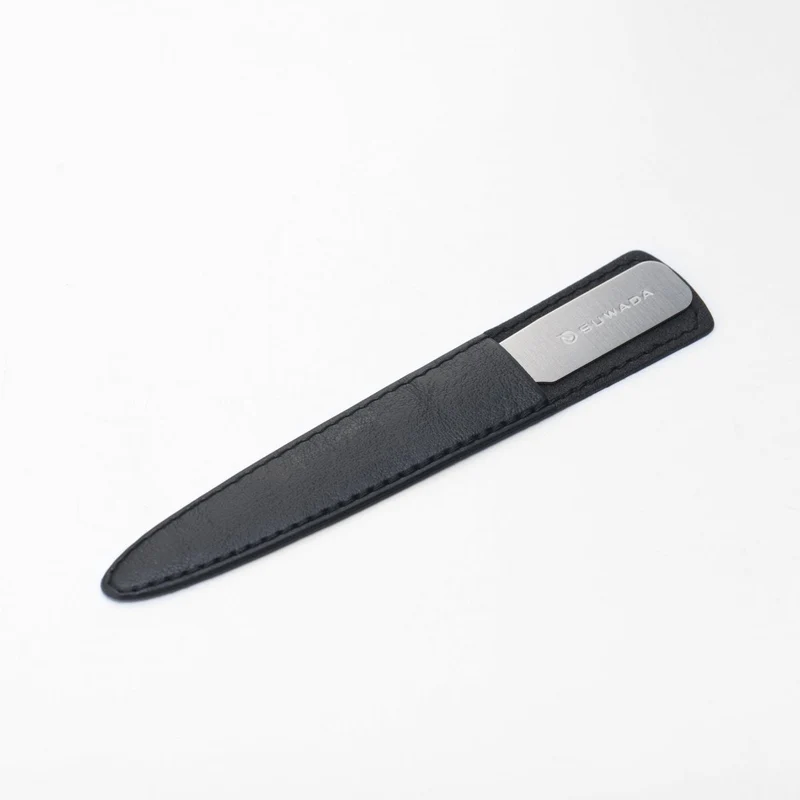
- Premium storage case
- Maintenance instructions
Care and long-term ownership
After use, wipe the tool clean and dry before storage. Avoid prolonged exposure to moisture. Do not place the nipper in a dishwasher or leave it soaking in water.
When cutting performance eventually needs restoration, SUWADA nail nippers are designed to be serviced and sharpened rather than discarded.
A significant Japanese gift
This is an appropriate choice when an ordinary luxury object would feel too generic: a milestone birthday, anniversary, retirement, professional achievement or a gift for someone who collects exceptional Japanese tools and metalwork.
Its value is not simply that it is expensive. It is that the material, production difficulty, individual forged pattern and practical function all remain visible in the same object.